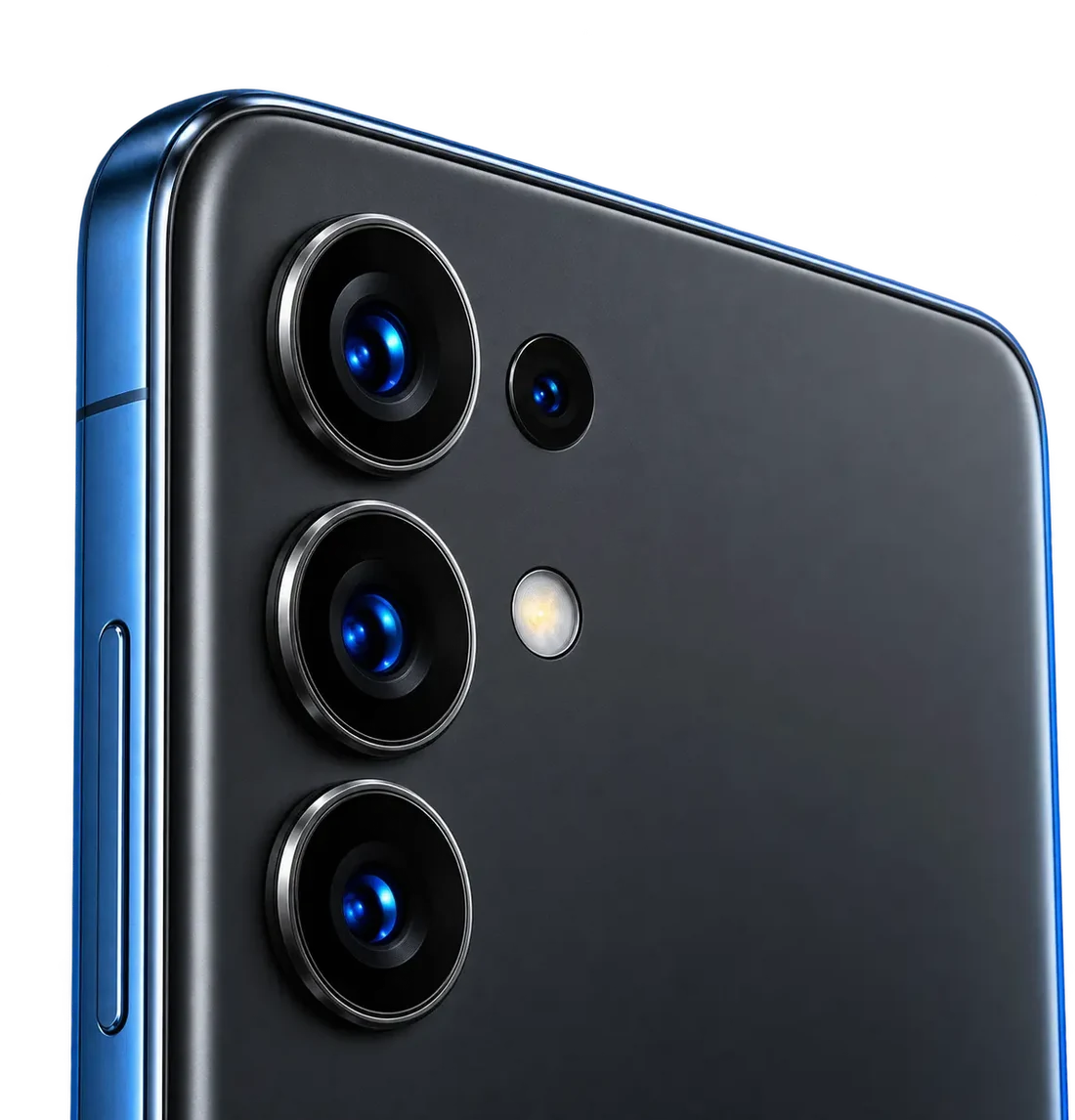
Cameras and emblem
Three vertically arranged lenses with the metallic Q set high on the back panel.
Introducing Q Phone
A new vision for an Android phone—with Splendor AI built in, flagship-class performance, and a post-quantum security architecture in development.
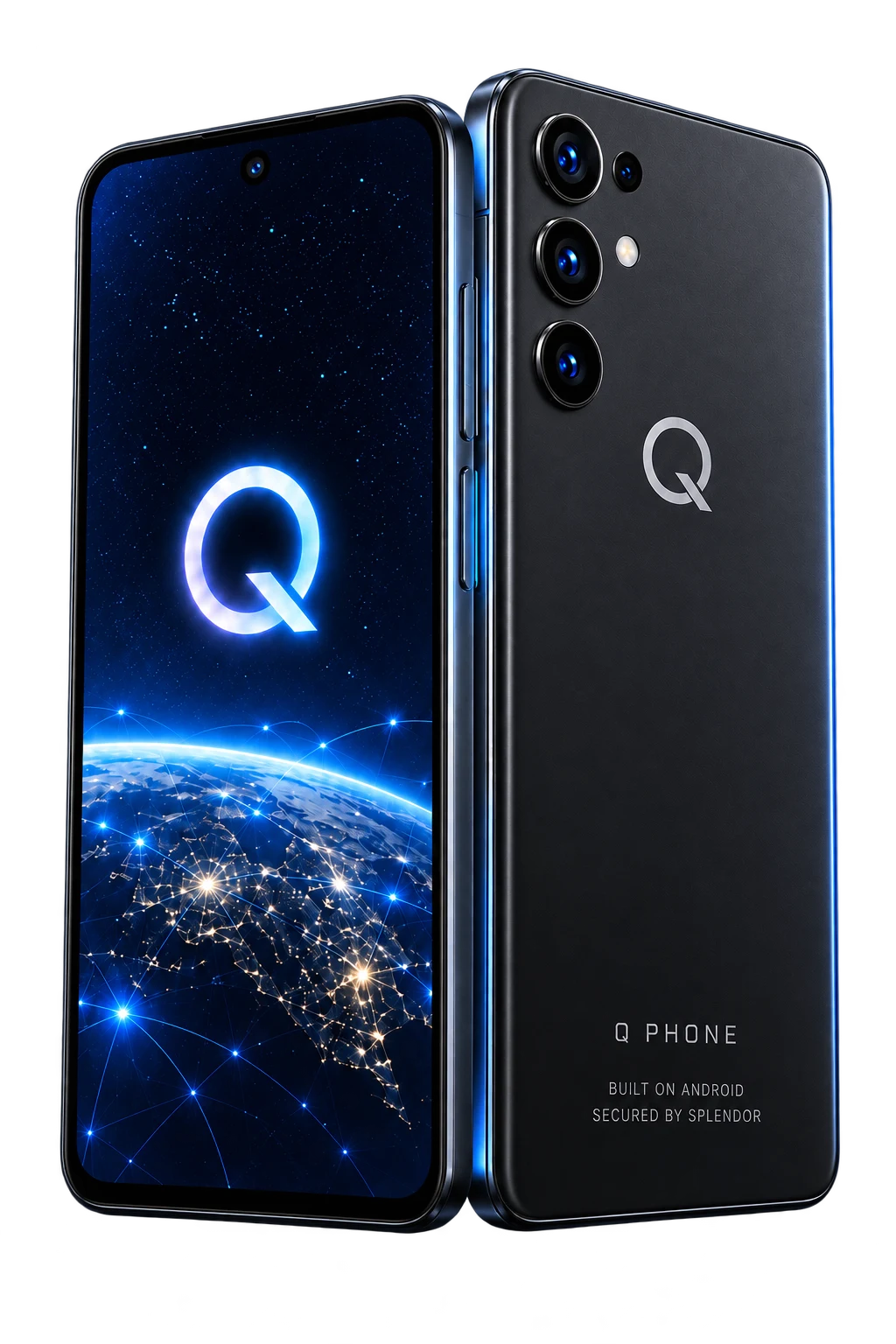
Planned product direction. Nothing here is final.
The hardware
Matte graphite with a dark metallic frame, a restrained blue edge light, and three vertically stacked rear cameras beneath a metallic Q. The branding sits quietly at the bottom of the back panel.
Three vertically arranged lenses with the metallic Q set high on the back panel.
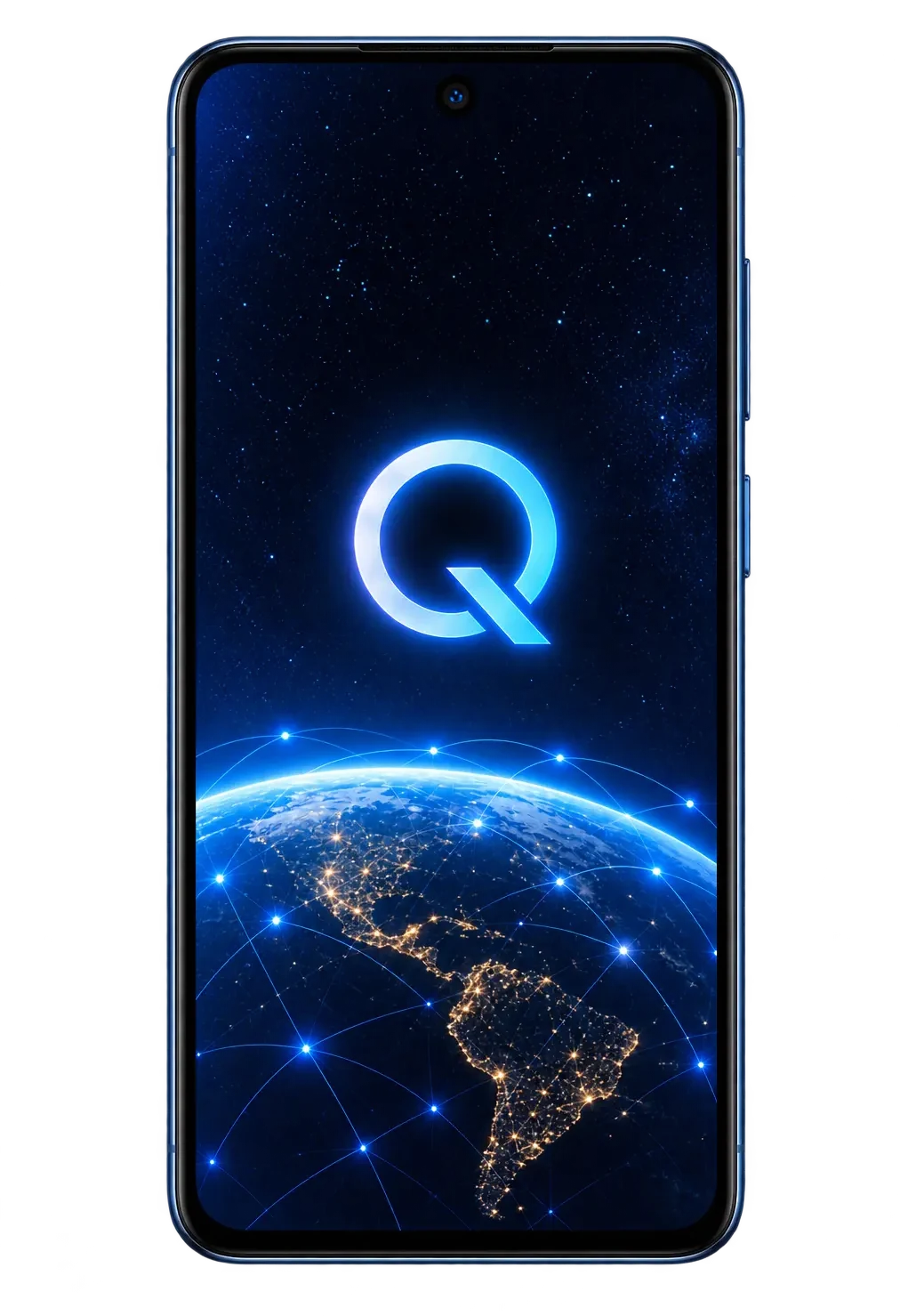
A thin electric-blue edge light traces the metallic frame beside a dark, near-borderless display.
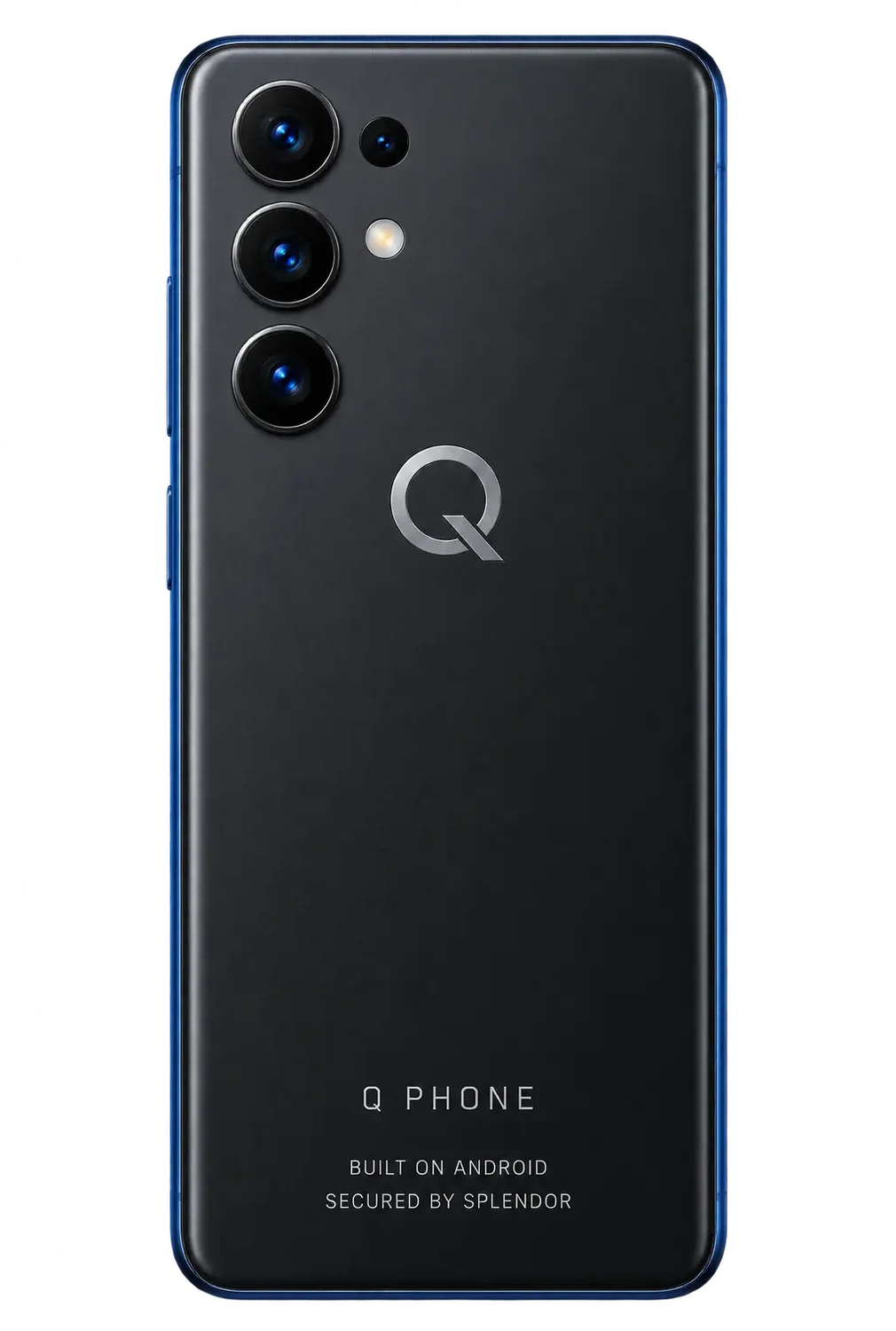
Q PHONE · BUILT ON ANDROID · SECURED BY SPLENDOR, etched low on the back.
Concept design
Intelligence
Intelligence built into your phone.
A built-in assistant designed to help you understand, create, and get things done—with clear control over what it can access and where supported tasks are processed.
AI explanations are intended as help, not authority. The wallet's own transaction details remain the record you approve.
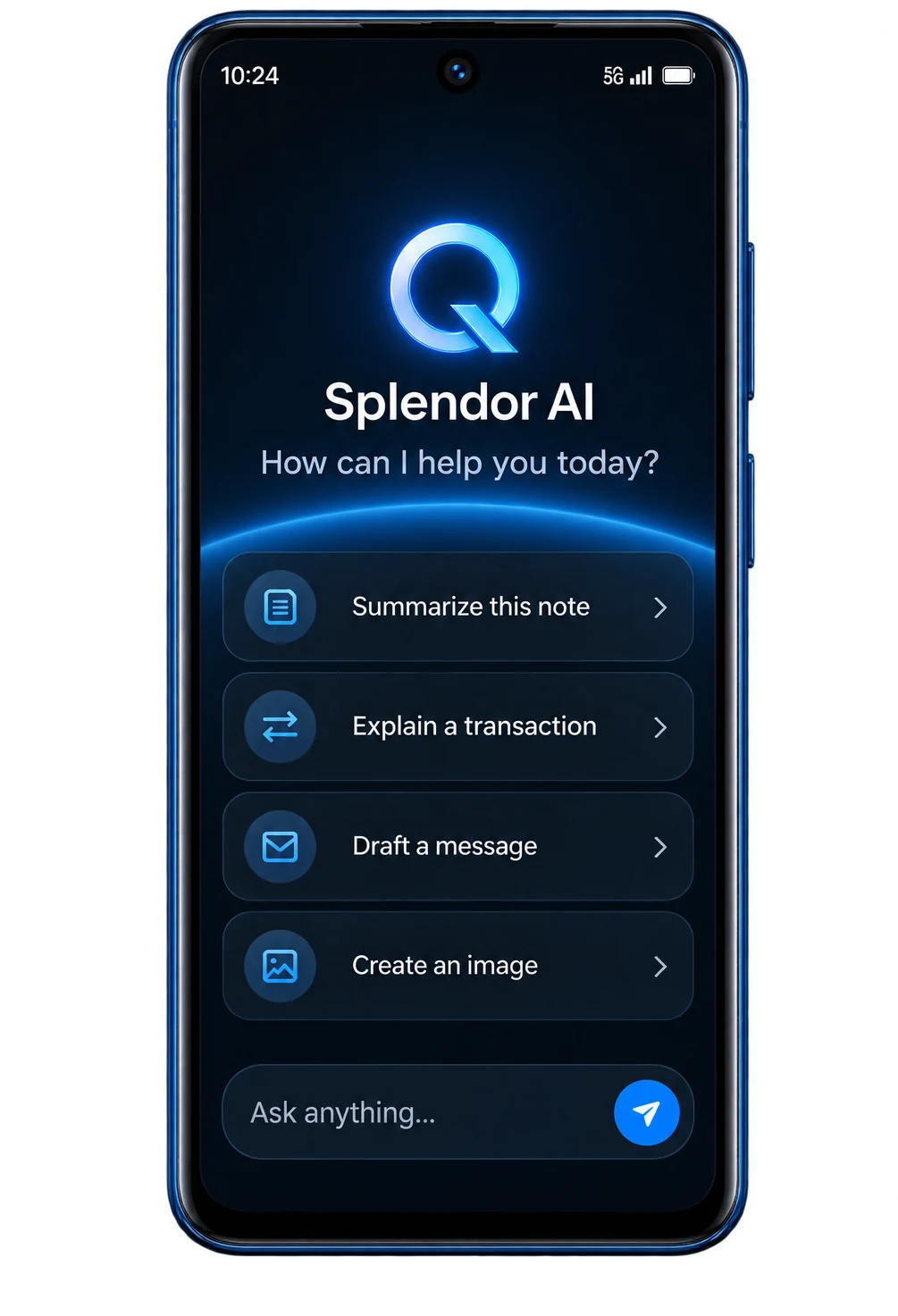
Try a sample interaction
Select a sample above to see how a Splendor AI reply is intended to look, including where the request would be processed.
Demonstration only — sample responses, no live AI service
On-device
For supported local models and tasks.
Selected capabilities are intended to run on the phone. Final offline support depends on the model and implementation, so not every feature is expected to work without a network.
Network-powered
For optional access to additional models.
Optional access to additional models through the planned Splendor AI ecosystem. When information would leave the device, the phone is designed to show it and ask permission first.
Network processing means a provider handles your request. Decentralized routing is not a promise of anonymity, and access is not planned to be unlimited or free forever.
Access to a broader Splendor AI model ecosystem is a roadmap direction, not a shipping feature. No phone-based mining, automatic income, or token rewards are planned.
Quantum
Today's phones rely heavily on public-key cryptography designed before practical quantum computers existed. A sufficiently powerful quantum computer could threaten widely used RSA and elliptic-curve systems.
Q Phone is being designed differently from the beginning — using post-quantum cryptography for supported identity, signing, blockchain and communication functions rather than waiting for a future retrofit.
NIST finalized its primary post-quantum standards in 2024 and recommends organizations begin migrating. ML-KEM is used for establishing shared secrets; ML-DSA is used for digital signatures.
Why quantum matters
Information captured today can potentially be stored for years and attacked later, when more capable quantum computers exist. This threat model is often called Harvest Now, Decrypt Later.
Q Phone is being designed to protect supported long-lived identities and communications before that future arrives.
Encrypted information intercepted
Traffic protected with classical public-key cryptography is captured in transit.
Held indefinitely
Captured material costs almost nothing to archive and wait on.
Capable quantum computer
A sufficiently powerful machine changes the cost of breaking classical public-key systems.
Classical public-key security may become vulnerable
Long-lived identities, keys and archived conversations are the most exposed.
Post-quantum protection from the start
Supported Q Phone identity, signing and Q Connect functions are being designed on post-quantum algorithms rather than migrated to them later.
The cryptography
ML-DSA
Quantum-resistant signatures
Used for proving that a supported transaction or identity action was authorized by the holder of the private key.
ML-KEM
Quantum-resistant key establishment
Designed to let two devices establish shared secret material in a way intended to resist attacks from future quantum computers.
Based on post-quantum cryptographic standards published by NIST. Hybrid classical + post-quantum modes are planned where interoperability requires them.
Splendor integration
Splendor isn't simply a wallet application installed on Q Phone. The planned architecture integrates Splendor into QOS as a security and verification layer for supported transactions, identities and digital actions.
Private keys remain protected on the device. The device signs. Splendor verifies.
The device signs. Splendor verifies.
Wallet
Assets
Identity
Q Identity
Verification
Trusted actions
Scope
Being honest about the boundary is part of the design. Planned protection applies to supported Q functions — not to every component of a phone.
Planned Q protection
Outside the Q boundary
Planned scope, subject to change. No independent audit or certification is being claimed.
Q Connect
Q Connect is the planned secure communication layer for Q Phone. Supported Q-to-Q communications are intended to use end-to-end encryption with post-quantum key establishment, while clearly identifying when a conversation falls outside the Q Connect security boundary.
Not just messaging. A post-quantum security architecture spanning identity, transactions, wallet security and supported communications.
Incoming
Maya
Q Connect secure call
Concept interface. Not a shipping feature.
Clearing it up
Q Phone doesn't contain a quantum computer. Post-quantum cryptography consists of algorithms designed to run on conventional hardware while resisting known attacks expected from future quantum computers.
Q Vault
Q Vault is being designed so supported Splendor signing keys can be generated, protected and used through dedicated secure hardware rather than exposed to ordinary applications.
Dedicated protected signing hardware is under evaluation. Final hardware integration is not confirmed.
Application
“Sign this transaction”
Q Vault
Private key never given to the application
Signature
Produced inside protected hardware
Splendor
Verifies the signature
Security roadmap
No dates are being announced. This is the order of work, and where it currently stands.
Post-quantum threat model and QOS security design.
Q Vault and native Splendor transactions.
Protected signing hardware evaluation and integration.
Post-quantum secure communications.
Cryptographic implementation review and device penetration testing.
Certification, manufacturing and launch.
Security
Q Phone is being designed around protected identities, clear transaction approvals, and post-quantum cryptography for supported Splendor features.
Layer 1
The Android-based operating-system foundation.
Layer 2
Planned protected key storage and signing.
Layer 3
Verification and settlement for supported identities and transactions.
Blockchain integration supports specific capabilities. It does not make every hardware component, app, connection, or carrier service quantum-resistant — ordinary calls and SMS still follow carrier standards.
Q Vault
Hardware-protected signing and key management, subject to final hardware integration and validation.
Q Wallet
Native Splendor assets and transactions, with clear approval screens and a carefully designed recovery experience.
Q Identity
Application and device identity features, with privacy-conscious verification.
Q Connect
Planned encrypted communication features within supported Q Connect applications.
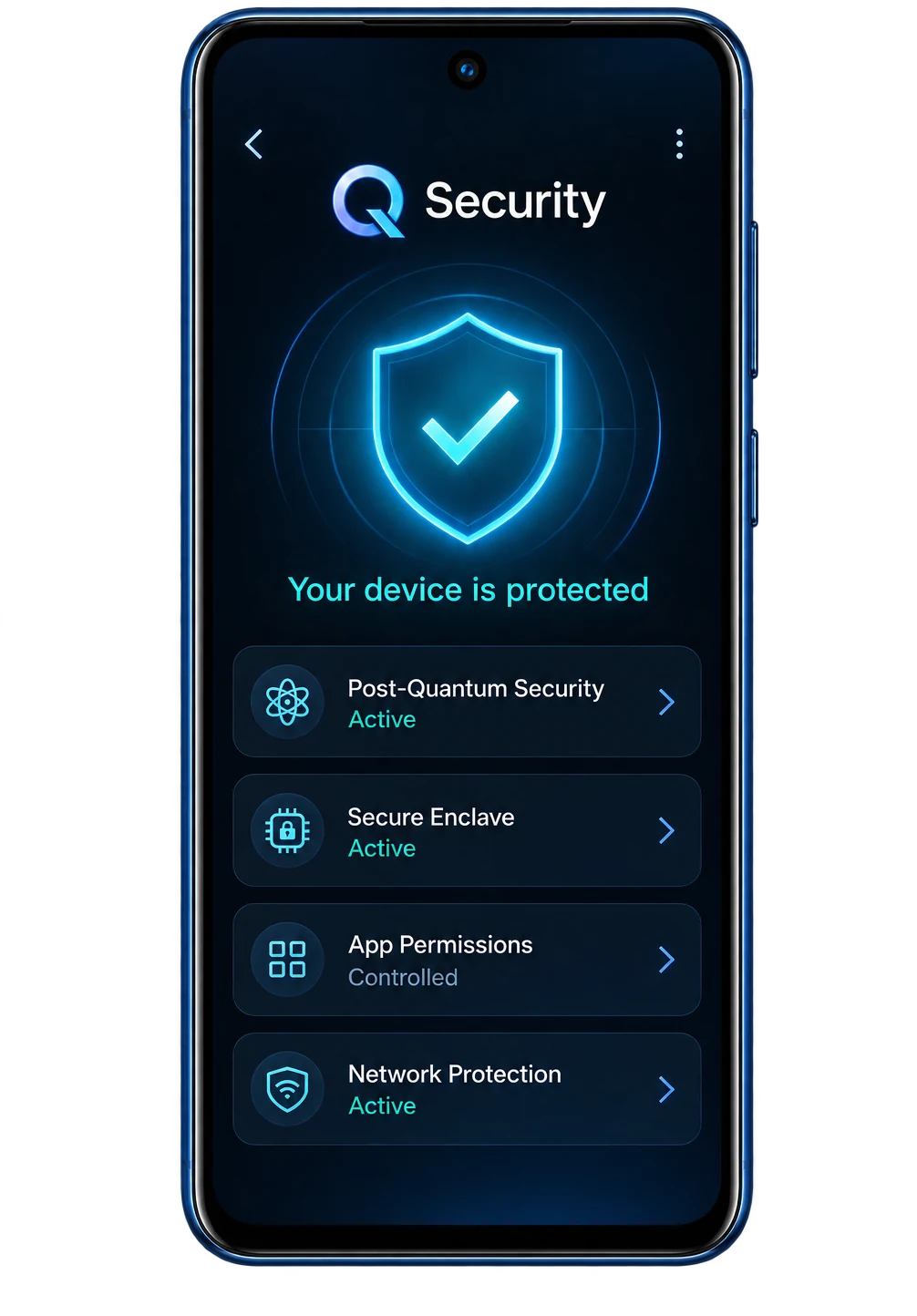
Q Security
A clear dashboard for software-update status, permissions, and supported security protections.
Use it as a phone. Explore more when you choose.
Buying tokens or connecting a wallet is not intended to be a requirement for ordinary phone use. The phone is not designed to need a blockchain connection to boot, call, or message.
No independent security audit or certification is being claimed. Private content is not intended to be stored on a public blockchain.
QOS
QOS is the planned Android-based experience for Q Phone: the phone you already know how to use, with Splendor tools integrated where they help.
Android foundations, standard gestures, and a clean launcher.
Splendor AI reachable from the home screen, with clear processing labels.
Permissions, update status, and supported protections in one place.
Uncluttered by default, with less noise between you and the task.
Broad compatibility with mainstream Android applications is a development objective, not a guarantee. No store certification, banking-app support, or partner relationship is being claimed.
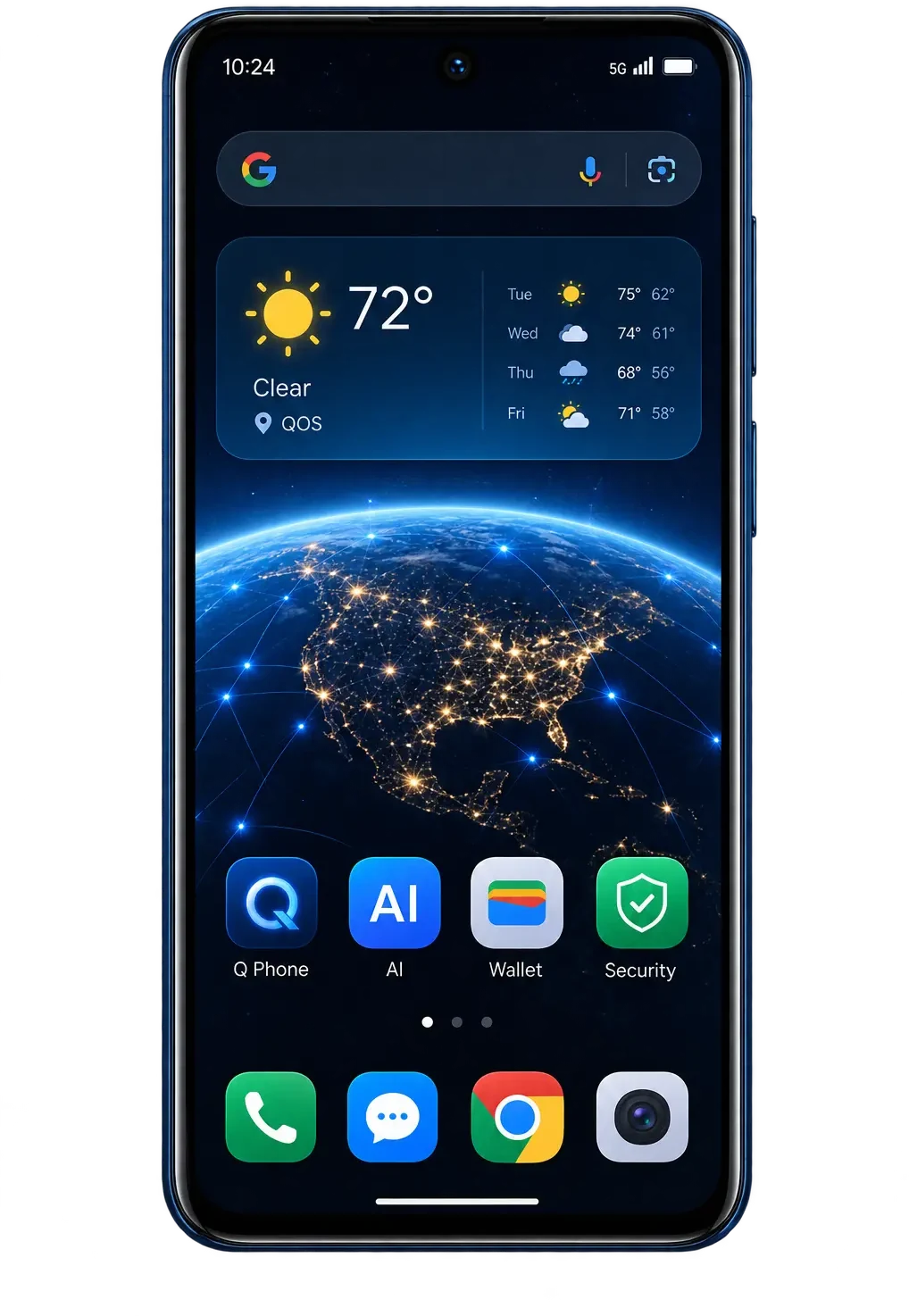
Concept UI
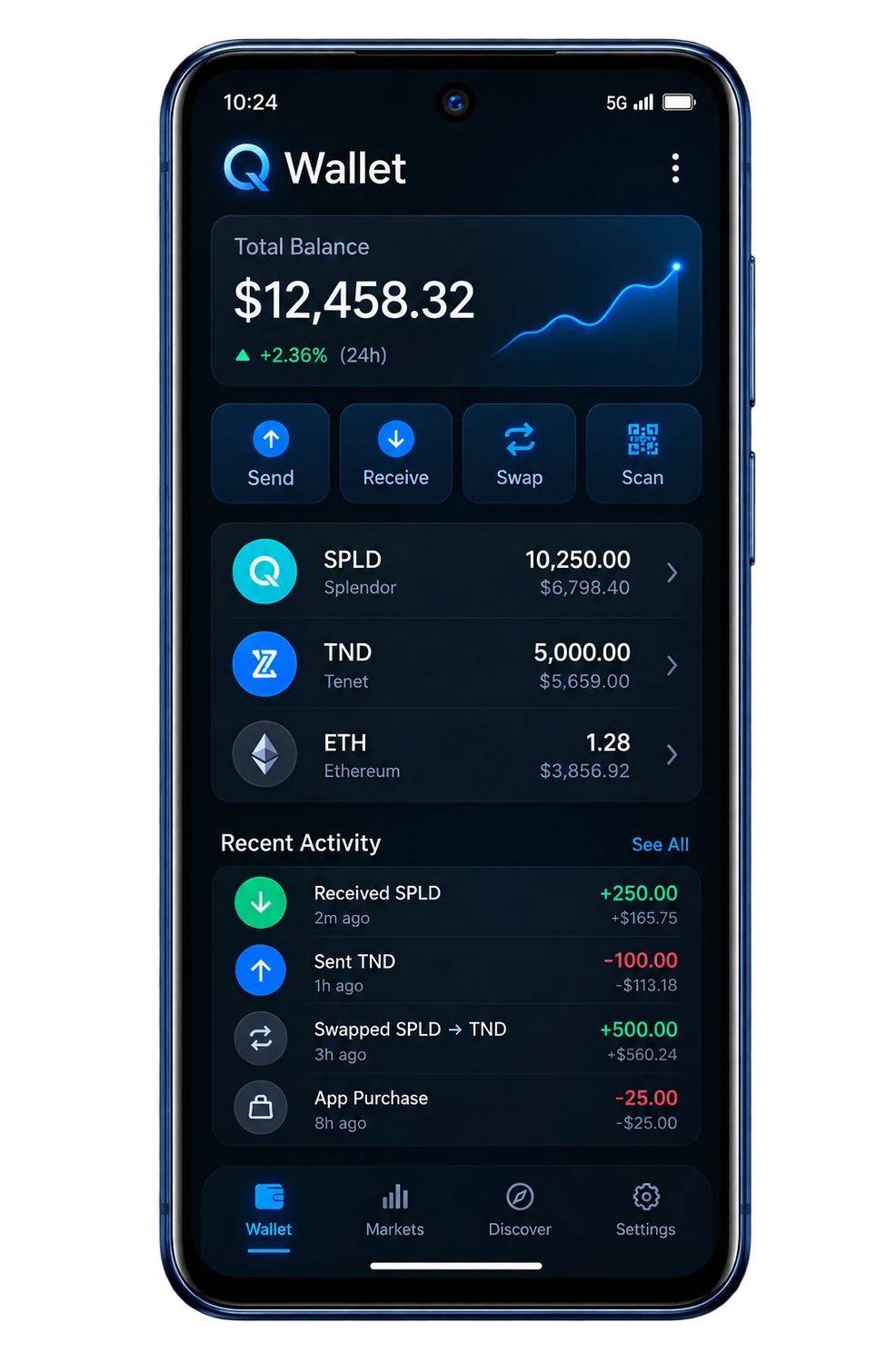
Q Wallet
Q Wallet is planned as a built-in part of QOS rather than a separate download, with keys kept inside the device's secure hardware. Balances, transfers and swaps shown here are concept renders of the intended experience.
Target specifications
Target specifications shown. Final hardware, software, pricing, and availability are subject to change.
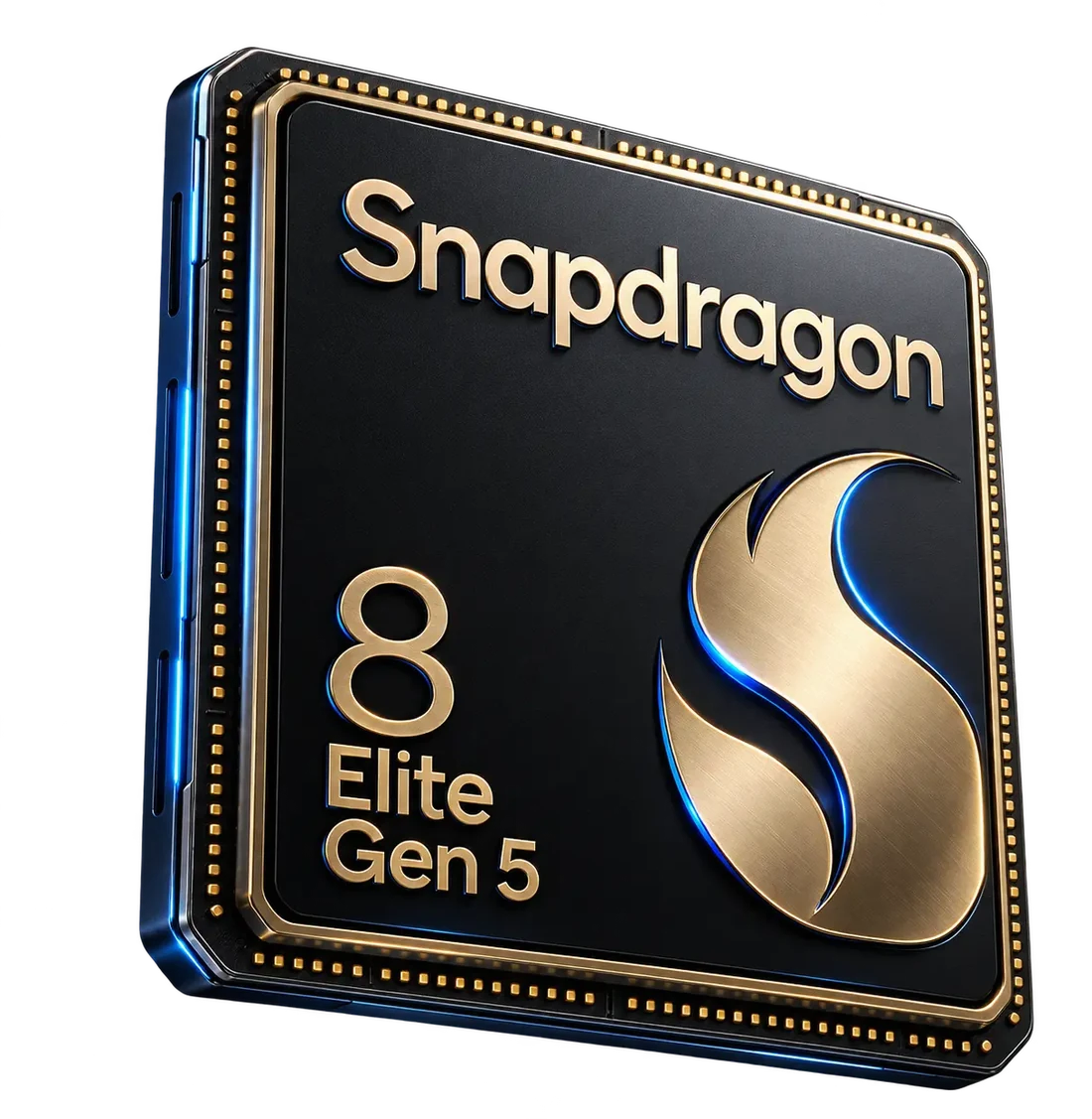
Processor
Qualcomm Snapdragon 8 Elite Gen 5-class platform
Final chipset selection to be confirmed.
Be first to hear about Q Phone development, product details, and launch availability.
We store the email address you submit, and your first name if you provide one, so we can send Q Phone development updates. Every email includes an unsubscribe link, and you can unsubscribe at any time. We do not sell your details.